Upholstery Cleaning in Your Home and Business: A Practical Approach to Fresher, Healthier Furniture
Upholstery cleaning in modern homes and workplaces is about far more than making sofas look nice. It is a practical service that supports comfort, hygiene, fabric longevity, and indoor air quality. Whether you have a family sofa that sees daily use, dining chairs that collect spills, office seating that needs to stay presentable, or delicate accent pieces that require special care, upholstery cleaning in every setting plays an important role in maintaining a cleaner environment.
Furniture fabrics naturally trap dust, oils, food particles, pet dander, and allergens over time. Even when a chair or couch appears clean, microscopic buildup can cause odors, dullness, and wear. That is why upholstery cleaning in routine property maintenance is increasingly seen as essential rather than optional. A thoughtful cleaning process can revive appearance, extend fabric life, and help create a healthier space for everyone who uses it.
In this article, we will look at what upholstery cleaning in practical terms really involves, why it matters, how different fabrics should be treated, and what to expect from professional care. You will also learn how to maintain your furniture between appointments so it stays cleaner for longer.
Why Upholstery Cleaning Matters

Furniture is one of the most used surfaces in any room, but it is often overlooked until stains become visible or odors become noticeable. Upholstery cleaning in a regular care schedule helps prevent long-term buildup from becoming a bigger problem. By removing soil from deep within the fibers, the cleaning process can improve both the appearance and the performance of the fabric.
When people search for upholstery cleaning in relation to their home or business, they are usually trying to solve one of several common issues: visible stains, lingering smells, dust accumulation, or a tired, faded look. Professional upholstery cleaning can address these issues while being tailored to the fabric type and condition of the piece. This is especially important because different materials respond differently to water, detergents, agitation, and heat.
There is also a health benefit. Upholstered furniture can harbor allergens, bacteria, and particles that affect comfort and air quality. For households with children, pets, or allergy concerns, upholstery cleaning in a targeted routine may make a noticeable difference. In offices and commercial spaces, fresh seating contributes to a cleaner impression for staff and visitors alike.
Common Types of Upholstery Found in Homes and Businesses

Not all upholstery is the same. The fabric, weave, backing, padding, and construction determine how cleaning should be performed. Upholstery cleaning in any environment starts with identifying the material and understanding what it can safely tolerate. Natural fibers, synthetic fabrics, microfiber, blends, leather, and performance textiles all require different approaches.
Cotton and linen are comfortable and attractive but can be sensitive to water marks and shrinkage if handled incorrectly. Synthetic fibers like polyester and nylon are generally more durable and often respond well to extraction methods. Microfiber, known for its soft texture, can be cleaned effectively but may require careful product selection to avoid altering the nap.
Leather, while technically not fabric, is often included in upholstery care conversations because it benefits from regular cleaning and conditioning. In commercial settings, vinyl and coated materials are also common. Upholstery cleaning in those cases may involve wiping away grime, disinfecting high-touch areas, and preserving the finish without causing cracking or dulling.
Popular upholstery materials include:
- Cotton and cotton blends
- Linen and linen blends
- Polyester and synthetic blends
- Microfiber
- Wool and wool blends
- Leather and faux leather
- Vinyl and performance fabrics
How Upholstery Becomes Dirty Over Time
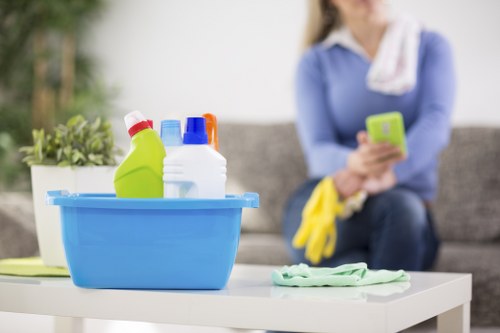
Many people are surprised by how quickly upholstered furniture can collect soil. Every time someone sits down, the fabric absorbs body oils, dust, and debris from clothing. Food and drink spills are common, but even without visible accidents, everyday use gradually dulls the surface. That is why upholstery cleaning in regular upkeep is so effective: it deals with the accumulation before it becomes deeply embedded.
Pet owners know this well. Fur, saliva, dander, and occasional accidents can all contribute to staining and odor. Upholstery cleaning in pet-friendly homes often requires extra attention to enzyme-based treatments and thorough drying. In businesses, the issue may be different: office chairs and waiting room seating can collect sweat, hand oils, and airborne particles throughout the day.
Environmental factors also matter. Dusty surroundings, open windows, smoking, and high humidity can affect how quickly upholstery gets dirty and how strongly odors linger. Routine cleaning can help manage these issues before they become difficult to reverse. The goal is not just surface freshness but deeper fabric care that supports longevity.
Signs your upholstery needs attention
- Visible stains or spots
- Noticeable odors
- Flattened or dull-looking fabric
- Allergy symptoms worsening near furniture
- Dust buildup in seams and crevices
- Pet hair that keeps reappearing
Professional Upholstery Cleaning Methods
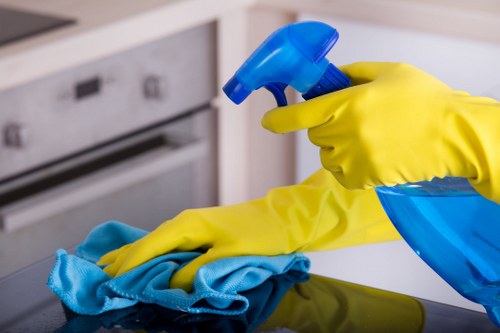
There are several methods used in upholstery cleaning in professional settings, and the best approach depends on the material and level of soiling. A trained cleaner typically begins with inspection, fiber identification, and spot testing. This helps determine the safest cleaning path and reduces the risk of damage. Proper assessment is one of the biggest advantages of hiring a specialist.
Hot water extraction, often called steam cleaning by customers, is one of the most common methods for durable fabrics. It uses a cleaning solution, agitation, and extraction to lift dirt from within the fibers. Low-moisture cleaning is another option, especially for delicate fabrics or pieces that must dry quickly. Dry foam and encapsulation methods may also be used in certain situations.
For leather upholstery, the process is different again. Instead of saturation, cleaning usually relies on pH-balanced products, gentle wiping, and conditioning treatments. Upholstery cleaning in this category is designed to remove oils and grime while preserving flexibility and finish. Each method should be matched carefully to the furniture rather than used in a one-size-fits-all way.
Typical professional steps include:
- Inspection and fiber testing
- Dry vacuuming to remove loose debris
- Pre-treatment of stains and traffic areas
- Controlled cleaning based on fabric type
- Extraction or low-moisture soil removal
- Post-clean grooming and drying support
DIY vs Professional Upholstery Cleaning
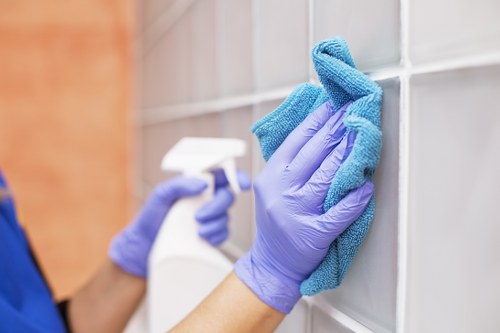
Some furniture cleaning tasks can be handled at home, but not every piece is suitable for a do-it-yourself approach. Light vacuuming, prompt spill cleanup, and gentle spot treatment are useful between appointments. However, upholstery cleaning in a deep, thorough sense often requires professional equipment, tested solutions, and experience with fabric behavior.
DIY attempts sometimes create bigger issues. Too much moisture can cause water rings, mildew, or padding damage. Harsh cleaners can discolor the fabric or leave residue that attracts more soil. Scrubbing too aggressively can distort texture and push stains deeper into the weave. This is why upholstery cleaning in delicate or valuable pieces is usually better handled by a trained technician.
That said, there are sensible tasks homeowners and facility managers can do to help maintain furniture. The key is consistency and caution. Use the vacuum’s upholstery attachment, blot spills immediately, and follow the manufacturer’s care label. If the label indicates professional cleaning only, it is wise to respect that recommendation.
When professional cleaning is usually the better choice:
- Deep-set stains that have not lifted with spot cleaning
- Delicate, antique, or expensive furniture
- Strong odors from pets, smoke, or spills
- Allergy concerns or high dust accumulation
- Commercial furniture exposed to heavy daily use
Understanding Fabric Care Labels
One of the most important parts of upholstery cleaning in any setting is reading and following the care label. These labels tell you whether the fabric can safely be cleaned with water-based products, solvent-based cleaners, or only vacuuming. Ignoring these instructions can lead to permanent damage. For example, a fabric marked with a specific code may react badly to the wrong solution even if the upholstery looks sturdy.
The common codes found on care tags generally indicate the type of cleaning allowed. Knowing them helps prevent mistakes and supports better long-term maintenance. If a label is missing, worn away, or unclear, a professional inspection is strongly recommended before any cleaning begins.
Upholstery cleaning in a responsible manner means working with the material rather than against it. This approach protects texture, color, and structural integrity. It also helps ensure that the furniture remains comfortable and attractive after treatment.
Common upholstery care codes
- W - Water-based cleaners only
- S - Solvent-based cleaning only
- WS - Water or solvent products may be used
- X - Vacuum only; no wet cleaning
Stain Removal and Spot Treatment
Spills happen, and fast action is one of the best ways to improve the outcome. Upholstery cleaning in spot treatment form begins with blotting, not rubbing. Rubbing can spread the stain and work it deeper into the fibers. A clean white cloth or absorbent towel is typically best for lifting liquid safely.
Different stains behave differently. Protein-based stains, such as food or bodily fluids, may require enzyme products. Oil-based stains often need degreasing action. Tannin stains from coffee, tea, or wine may respond to specialized cleaners. Upholstery cleaning in the context of stain removal is most effective when the stain type is matched to the right treatment method.
It is also important not to overuse products. Excess cleaner can leave residue, and too much liquid can soak into the cushion backing. A careful, layered approach usually works better than aggressive application. When in doubt, a professional cleaner can assess the stain and fabric safely before treatment.
Helpful spill response tips
- Act quickly, but remain gentle
- Blot from the outside of the stain inward
- Use minimal liquid at first
- Test any product on a hidden area
- Allow the fabric to dry fully after treatment
Odor Removal and Freshness Restoration
Stains are visible, but odors can be even more frustrating because they linger in the room. Upholstery cleaning in odor control involves removing the source of the smell rather than simply masking it. This may include deep cleaning, deodorizing treatments, or targeted stain removal where spills have penetrated the cushion.
Common causes of upholstery odors include pets, food spills, sweat, smoke, and moisture retention. In some cases, odors are trapped in the foam beneath the fabric, which is why surface spraying alone may not solve the problem. Effective upholstery cleaning in odor-sensitive situations focuses on extraction, neutralization, and proper drying.
Freshness restoration is especially valuable in commercial settings. Waiting areas, lounges, meeting rooms, and hospitality furniture all contribute to the overall atmosphere of a space. When upholstery looks and smells clean, the entire room feels more welcoming. That makes regular care a smart investment for both comfort and presentation.
Upholstery Cleaning for Allergy and Hygiene Support
For households and workplaces concerned with allergens, upholstery cleaning in a periodic maintenance plan can be very beneficial. Upholstered surfaces trap dust, pollen, pet dander, and other particles that can circulate when furniture is disturbed. Regular cleaning helps reduce buildup and may support a more comfortable indoor environment.
Hygiene is equally important. In high-traffic spaces, upholstered seating can collect bacteria and contaminants from hands, shoes, food, and general use. While routine cleaning does not replace other sanitation practices, it can play a meaningful role in keeping the environment fresher. Upholstery cleaning in these contexts is especially useful for families with young children, pet households, medical-adjacent spaces, and offices with frequent visitors.
Many people also appreciate the visual benefit of cleaner furniture. Fabric that has been deeply cleaned often appears brighter, softer, and more inviting. This can make a room feel more cared for without requiring a full redesign or replacement of existing pieces.
Benefits related to health and cleanliness
- Reduced allergen buildup
- Less dust trapped in seating fibers
- Improved odor control
- Cleaner high-touch surfaces
- Better overall indoor comfort
How Often Should Upholstery Be Cleaned?
The ideal cleaning frequency depends on use, fabric type, and environment. A lightly used formal living room may need less frequent attention than a family room sofa used every day. Similarly, office seating and commercial furniture often require more regular care because of continuous traffic. Upholstery cleaning in a practical schedule is usually based on real use rather than a fixed rule.
As a general approach, vacuuming should happen weekly or biweekly, with spot treatment as needed. Deep upholstery cleaning in most homes is often recommended every 12 to 24 months, though high-use or pet-friendly spaces may benefit from more frequent service. Businesses may need quarterly, biannual, or custom service depending on traffic and appearance standards.
The best schedule is one that prevents buildup from becoming severe. If furniture starts to look dull, smells stale, or shows repeated staining, it is likely time to arrange cleaning sooner. Regular maintenance is usually less expensive and less disruptive than waiting until damage is obvious.
Choosing the Right Upholstery Cleaning Provider
Not every provider offers the same level of care. When comparing services, look for experience with a wide range of fabrics, clear inspection procedures, and cleaning methods appropriate to your furniture. Upholstery cleaning in a professional setting should always begin with questions about the material, usage, and any concerns such as stains, odors, or allergies.
A reliable cleaner should explain what method they plan to use and why it suits the fabric. They should also discuss drying expectations, product safety, and any limitations. Upholstery cleaning in the hands of a knowledgeable provider gives you a much better chance of preserving the furniture rather than risking accidental damage.
It is smart to ask whether the company handles both residential and commercial furniture, whether they are familiar with delicate textiles, and whether they provide stain-specific treatment. Transparency matters. A clear process is often a good sign of professional standards and consistent results.
What to look for in a provider
- Fabric identification and inspection before cleaning
- Methods suited to the upholstery type
- Experience with stain and odor removal
- Attention to drying and aftercare
- Clear explanation of expected results
Maintenance Tips to Keep Upholstery Cleaner for Longer
After professional cleaning, good habits can extend the results. Upholstery cleaning in combination with simple maintenance steps keeps fabrics looking better between appointments. Vacuuming regularly removes loose debris before it settles into the weave. Rotating cushions can help distribute wear more evenly. Prompt spill response also reduces the chance of permanent staining.
Another practical step is to keep food and drinks away from the most vulnerable furniture when possible. Using throws or protective covers in high-risk areas can also help. For homes with pets, designated blankets or washable covers may reduce the amount of fur and oils absorbed by the fabric. Upholstery cleaning in a busy home becomes much easier when everyday habits support it.
Sunlight can also affect upholstery. Direct exposure may cause fading over time, especially on natural fibers or richly colored fabrics. If possible, use blinds, curtains, or furniture positioning to limit harsh light. These small choices can protect the appearance of your seating and reduce the need for premature replacement.
Simple care habits that help
- Vacuum regularly using the upholstery attachment
- Blot spills immediately
- Rotate and fluff cushions
- Keep pets off sensitive fabrics when possible
- Use protective throws in high-use areas
- Schedule periodic professional cleaning
Why Upholstery Cleaning Is a Smart Investment
Furniture replacement is far more expensive than maintenance. Upholstery cleaning in a regular care strategy can help extend the life of sofas, chairs, benches, and other soft furnishings. By removing abrasive dirt and preventing fabric breakdown, the cleaning process supports the long-term value of your investment. That matters for homeowners, landlords, office managers, hospitality businesses, and anyone trying to keep a space looking polished.
There is also an aesthetic return. Clean upholstery improves the whole room, making it look brighter and more inviting. A neglected couch can make an otherwise tidy room seem less cared for, while freshly cleaned seating creates an immediate sense of order. Upholstery cleaning in that sense is both a practical service and a visual upgrade.
Most importantly, clean furniture contributes to comfort. People naturally enjoy sitting in a space that feels fresh and maintained. Whether the goal is better hygiene, improved appearance, or simply a more pleasant home environment, upholstery cleaning delivers value in multiple ways.
If your furniture is showing signs of wear, stains, or odor buildup, now is the right time to act. Contact us today to discuss upholstery cleaning options that fit your fabric type and usage needs. Book your service now and give your furniture the refresh it deserves.
Final Thoughts
Upholstery cleaning in homes and businesses is one of the most effective ways to preserve furniture, improve indoor freshness, and support a healthier environment. By understanding your fabric type, responding quickly to spills, and scheduling regular maintenance, you can keep upholstered pieces looking and feeling better for longer. The process does not have to be complicated, but it does need to be thoughtful.
From delicate textiles to durable commercial seating, the right cleaning approach makes a real difference. Professional upholstery cleaning in particular offers the benefit of expertise, appropriate equipment, and methods tailored to specific materials. That combination helps protect your furniture while restoring its appearance.
If you want cleaner, longer-lasting furniture and a more comfortable space, make upholstery care part of your regular property maintenance plan. The results are visible, practical, and worth the effort.