End of Tenancy Cleaning: A Complete Approach for a Smooth Move-Out
Why End of Tenancy Cleaning Matters
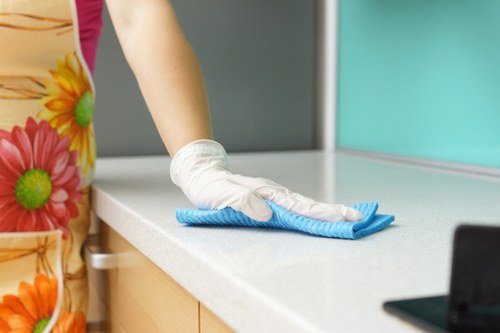
End of tenancy cleaning is one of the most important parts of moving out of a rented property. Whether you are a tenant preparing to hand back the keys, a landlord getting a property ready for new occupants, or a letting agent overseeing a smooth transition, the condition of the home at the end of a tenancy can make a big difference.
In many rental agreements, the property must be returned in the same condition as when the tenant moved in, aside from fair wear and tear. That means deep cleaning often becomes essential. A proper end of tenancy cleaning process helps reduce disputes, improves the chances of a full deposit return, and creates a fresh start for the next tenant.
From kitchens and bathrooms to carpets, skirting boards, and hidden corners, every area matters. A quick tidy-up is rarely enough. Instead, tenants usually need a detailed cleaning plan that covers the entire property, ensuring it meets the standards expected by landlords and inventory checkers.
What Is End of Tenancy Cleaning?
A closer look at the service
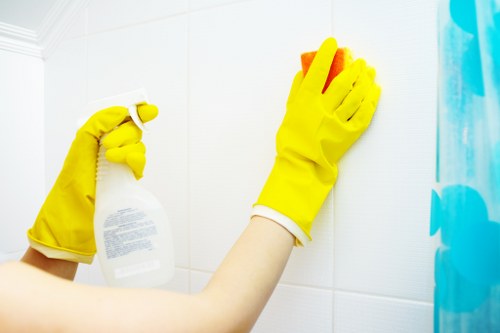
End of tenancy cleaning is a deep cleaning service carried out when a tenant vacates a rental home. It goes beyond regular housekeeping and focuses on restoring the property to a clean, presentable condition for inspection. The goal is to remove built-up dirt, grease, dust, stains, and grime from all living spaces.
This type of cleaning often includes appliances, cupboards, walls, doors, windows, fixtures, fittings, and flooring. In many cases, professional cleaners use specialist tools and products to reach tough areas and achieve a higher standard than routine cleaning.
It is also commonly referred to as move-out cleaning, vacate cleaning, or rental property cleaning. While the exact requirements may vary depending on the tenancy agreement, the overall aim remains the same: leave the property spotless and ready for the next occupant.
Why Tenants Need to Take It Seriously
Protecting the deposit and avoiding disputes

For tenants, end of tenancy cleaning is more than just a chore. It can directly affect whether the full deposit is returned. Landlords and letting agents usually inspect the property against the move-in inventory report. If rooms are dirty, appliances are greasy, or carpets are stained, deductions may be made from the deposit.
Taking the time to carry out a proper end of tenancy cleaning helps demonstrate responsibility and respect for the property. It also reduces the likelihood of disagreements about cleanliness, which can save time, stress, and money during the move-out process.
In competitive rental markets, leaving the property in excellent condition can also support future references. A landlord who sees that you treated the home well is more likely to provide a positive recommendation for your next rental application.
Areas That Need Attention During End of Tenancy Cleaning
Room-by-room priorities
A successful end of tenancy cleaning service should cover every room in the property, with extra attention given to high-use areas. The kitchen and bathroom usually require the most effort because they tend to collect grease, soap scum, lime scale, and food residue.
Common areas that need special attention include:
- Kitchen appliances, including ovens, hobs, microwaves, fridges, and dishwashers
- Bathroom fixtures such as sinks, toilets, showers, tiles, mirrors, and taps
- Living room surfaces, including skirting boards, shelves, light switches, and windowsills
- Bedrooms, where dust, marks, and carpet debris often build up
- Hallways, stairs, and entry points that collect dirt from regular foot traffic
Hidden or easily forgotten places also matter. Behind radiators, under furniture, along door frames, and inside cupboards are all areas that may be checked during an inspection. A thorough approach ensures nothing is overlooked.
Kitchen Cleaning: The Heart of the Property
Where deep cleaning usually begins

The kitchen is one of the most important spaces in any end of tenancy cleaning job. Grease, crumbs, food spills, and limescale can build up quickly, especially around cooking and washing areas. Because of this, the kitchen often receives the most detailed cleaning treatment.
Key kitchen tasks often include degreasing the oven, cleaning the inside and outside of cupboards, wiping countertops, disinfecting sinks, polishing taps, and removing residue from splashbacks. Fridge and freezer units should be emptied, defrosted if necessary, and cleaned thoroughly inside and out.
It is also wise to clean behind and beneath appliances if they are accessible. Many landlords check these areas because they are easy to neglect. A well-cleaned kitchen helps the entire property feel fresher and more welcoming.
Bathroom Cleaning: Hygiene and Presentation
Removing grime, scale, and stains
Bathrooms require careful attention during end of tenancy cleaning because hygiene is a top priority. Soap residue, mould, water marks, and limescale are common issues, especially in hard-water areas. A deep clean helps restore the bathroom to a sanitary and attractive condition.
Typical bathroom tasks include scrubbing the toilet, sanitising the sink, removing limescale from taps and shower screens, cleaning tiles and grout, wiping mirrors, and polishing chrome fixtures. Shower trays, bathtubs, and drains may also need special treatment to remove stubborn buildup.
Attention to detail matters in bathrooms. A sparkling bathroom gives the impression that the whole property has been looked after carefully. For many landlords, this room is one of the first places they inspect because it reveals the overall standard of cleaning.
Living Areas and Bedrooms
Making the rest of the home inspection-ready

While kitchens and bathrooms are usually the most demanding spaces, living areas and bedrooms also need proper care. Dust, fingerprints, cobwebs, and minor scuff marks can quickly reduce the appearance of a room, so these areas should not be rushed during end of tenancy cleaning.
In living rooms, it is useful to clean windows, wipe sills, dust furniture, vacuum upholstery if needed, and wipe light switches and doors. Bedrooms should be cleared of belongings, vacuumed thoroughly, and checked for marks on walls or behind furniture. Wardrobes and built-in storage spaces should also be wiped inside and out.
Clean, tidy living spaces help complete the overall impression of a well-maintained rental home. Even if the property is not brand new, a fresh and orderly finish can go a long way toward a successful final inspection.
The Role of Carpets, Floors, and Soft Furnishings
Cleaning beneath the surface
Flooring is a major part of any end of tenancy cleaning routine. Carpeted areas often need deep vacuuming, stain removal, or professional steam cleaning, depending on the level of wear and the tenancy agreement. Hard floors, such as laminate, tile, and wood, should be swept, mopped, and polished where appropriate.
Soft furnishings, such as curtains, blinds, and upholstered furniture, may also need attention if they are included in the tenancy. Dust, pet hair, and odours can accumulate in these items over time. Where fabric cleaning is required, it is important to follow the correct method to avoid damage.
Fresh floors and clean furnishings can dramatically improve the overall look and smell of a property. They also create a much stronger impression during inventory checks and final inspections.
Professional vs DIY End of Tenancy Cleaning
Choosing the right approach
Some tenants prefer to handle end of tenancy cleaning themselves, while others choose to hire professionals. Both options can work well, depending on the size of the property, the available time, and the standard required by the landlord or agent.
A DIY clean may be suitable for smaller properties or tenants who have the time, energy, and equipment needed to do the job properly. However, it often takes much longer than expected and can be physically demanding, especially when cleaning ovens, bathrooms, or carpets.
Professional cleaners bring experience, specialist products, and efficient techniques. They are often used for larger homes, heavily used properties, or situations where a high standard is required quickly. If your schedule is tight, book your service now and reduce the pressure of moving day.
What Professional End of Tenancy Cleaning Usually Includes
A standard checklist of tasks
Professional end of tenancy cleaning services usually follow a detailed checklist to ensure consistency and quality. Although packages may vary, most cover the main areas required for a full move-out clean.
Typical tasks often include:
- Cleaning all accessible surfaces in every room
- Degreasing kitchen appliances and units
- Disinfecting sinks, toilets, showers, and bathroom fittings
- Vacuuming and mopping floors
- Dusting skirting boards, shelves, and fixtures
- Cleaning windows, frames, and ledges internally
- Removing cobwebs and visible debris
- Wiping doors, handles, and switches
Some providers also offer additional services such as carpet cleaning, upholstery cleaning, or oven deep cleaning. These extras can be especially useful if the property has seen heavy use or has specific cleaning concerns.
How to Prepare Before Cleaning Starts
Simple steps that make the process easier
Preparation can make end of tenancy cleaning more efficient and effective. Before cleaning begins, tenants should remove all personal belongings, rubbish, and leftover food. Emptying cupboards, wardrobes, and drawers makes it easier to reach all surfaces properly.
It is also helpful to defrost the freezer in advance, if required, and disconnect appliances only when safe to do so. If the property has any broken fixtures or maintenance issues, it is a good idea to report them to the landlord or agent before the final inspection.
Here are a few helpful preparation tips:
- Pack and remove possessions before the main clean
- Label items you plan to keep or dispose of
- Clear access to all rooms and storage spaces
- Check the tenancy agreement for cleaning expectations
End of Tenancy Cleaning Checklist for Tenants
A practical way to stay organised
A checklist helps keep end of tenancy cleaning on track and ensures no important task is missed. It also makes the process feel more manageable, especially when moving out is already busy and stressful.
Useful checklist items include:
- Clean all kitchen appliances inside and out
- Wipe cupboard doors, handles, and shelves
- Scrub bathroom tiles, toilets, sinks, and showers
- Vacuum and mop every floor
- Dust light fittings, skirting boards, and corners
- Wash internal windows and sills
- Remove marks from doors and walls where possible
- Empty bins and remove all waste
Stay organised, stay calm, and leave nothing to chance. A methodical approach can help ensure the property is returned in excellent shape.
Common Mistakes to Avoid
Small oversights can create bigger problems
Even when tenants try hard, a few common mistakes can reduce the effectiveness of end of tenancy cleaning. One of the biggest issues is underestimating how long the job will take. What looks like a simple clean can turn into a full-day task or longer, especially in larger homes.
Another mistake is focusing only on visible areas. Landlords and inventory clerks often check inside cupboards, under beds, behind appliances, and around fittings. Neglecting these areas can lead to avoidable deductions.
Other mistakes to avoid include using the wrong products on delicate surfaces, forgetting to clean light switches and door frames, and leaving cleaning until the very last minute. Planning ahead usually leads to much better results and less stress.
Why Landlords Appreciate a Proper Move-Out Clean
Saving time and keeping properties market-ready
From a landlord’s perspective, end of tenancy cleaning is valuable because it helps prepare the property for the next tenant quickly. A clean property is easier to market, photograph, and show to prospective renters. It can also reduce the turnaround time between tenancies.
When a tenant leaves the property in good condition, landlords may spend less time and money on additional maintenance. This can include fewer emergency cleaning jobs, less redecoration, and lower risk of complaints from incoming tenants.
In short, a proper move-out clean supports both sides. Tenants protect their deposit and reputation, while landlords receive a property that is easier to re-let. It is a practical outcome that benefits everyone involved.
How to Choose a Reliable Cleaning Service
What to look for before booking
If you decide to hire professionals for end of tenancy cleaning, choosing the right company is important. Not every service offers the same level of detail, so it helps to compare what is included before booking.
Look for a provider that offers a clear checklist, uses trained staff, and understands tenancy requirements. It is also useful to ask whether they provide re-clean policies in case any area does not meet the expected standard after inspection.
Before making a decision, consider the following:
- What rooms and tasks are included in the price
- Whether carpet or oven cleaning is part of the package
- How long the clean is expected to take
- Whether the company is experienced in move-out cleaning
Final Thoughts on End of Tenancy Cleaning
Leaving the property in excellent condition
End of tenancy cleaning is a key part of moving out successfully. It helps tenants protect their deposit, reduces the chance of disputes, and ensures the property is ready for the next occupant. Whether you choose to clean the property yourself or hire professional cleaners, the goal is the same: deliver a spotless, well-presented home.
A thorough clean covers every important area, from kitchens and bathrooms to bedrooms, hallways, and flooring. It also shows care, responsibility, and attention to detail, all of which matter during the final inspection.
If you are preparing to move, take the time to plan your cleaning properly. Use a checklist, work room by room, and don’t forget the hidden areas that are often overlooked. If you want a faster, easier solution, contact us today or book your service now to make your move-out process smoother and less stressful.
Useful reminders before handover
Keep these points in mind
End of tenancy cleaning is most effective when it is done with care, consistency, and the right tools. Clean thoroughly, document the condition if needed, and make sure the property is left in a tidy, presentable state. That final effort can make all the difference.