Communal Area Cleaning for Safer, Cleaner, and More Welcoming Shared Spaces
Communal area cleaning is one of the most important parts of maintaining any shared property. Whether it is a residential block, apartment complex, office building, school, healthcare facility, or mixed-use development, the condition of communal spaces shapes first impressions, supports hygiene, and helps people feel comfortable every day.
When communal area cleaning is done properly, corridors feel brighter, stairwells feel safer, entryways look more inviting, and residents or visitors notice the difference immediately. Clean communal areas also reduce the spread of dirt, germs, unpleasant smells, and allergens, which makes these spaces healthier for everyone who uses them.
In today’s fast-paced world, many property managers and building owners are looking for reliable ways to maintain shared areas without disruption. That is where professional communal area cleaning makes a real impact. It brings consistency, attention to detail, and a structured cleaning routine that protects the appearance and condition of the building over time.
Why Communal Area Cleaning Matters

Communal area cleaning is not just about keeping surfaces tidy. It plays a major role in safety, hygiene, and the overall reputation of a property. Shared areas receive constant foot traffic, which means they collect dust, marks, litter, fingerprints, and debris much faster than private spaces.
These areas often include hallways, staircases, lifts, lobbies, reception spaces, shared kitchens, bathrooms, and entranceways. Because so many people use them, they need more frequent cleaning than many other parts of a building. If cleaning is neglected, the space can quickly start to feel neglected too.
Well-maintained communal areas create a positive environment for residents, employees, clients, and visitors. They also help reduce complaints, improve building presentation, and support longer-term property value. A spotless shared space sends a strong message that the building is cared for and that the people in it matter.
Key Areas Included in Communal Area Cleaning
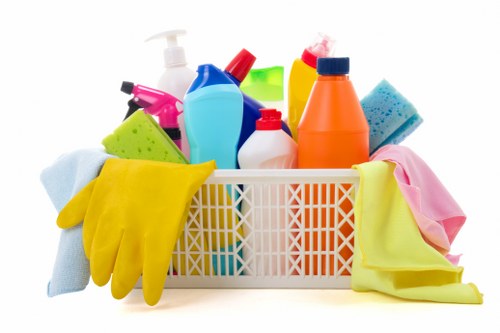
Every building is different, but most communal area cleaning services focus on a core set of shared zones. These spaces need regular attention because they are used repeatedly throughout the day. A professional cleaner will usually adapt the cleaning routine to the specific layout and needs of the property.
Common areas included in a typical cleaning plan are:
- Entrances and foyers
- Hallways and corridors
- Stairs and landings
- Lifts and elevator doors
- Shared kitchens and break areas
- Shared toilets and washrooms
- Reception and waiting rooms
- Mail areas and parcel zones
- Glass panels, handrails, and switch plates
In some buildings, communal area cleaning may also include bin stores, exterior walkways, car park access points, and common utility spaces. The goal is always the same: maintain a clean, safe, and presentable shared environment from top to bottom.
Creating a Cleaning Schedule That Works
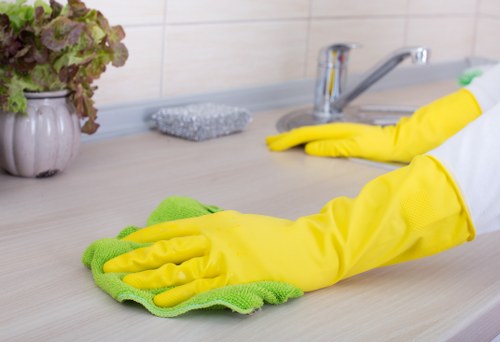
One of the biggest strengths of professional communal area cleaning is consistency. Shared spaces do not stay clean by accident; they stay clean because there is a clear routine in place. A tailored schedule ensures that high-traffic areas receive the right level of attention at the right time.
For example, a busy apartment block may need daily corridor cleaning, weekly stair vacuuming, and regular deep cleaning of entry points. A smaller office building may only require a few visits per week, but those visits must still be thorough and reliable. The best schedules are built around actual foot traffic, property size, and the level of use each space receives.
In many cases, property managers choose a combination of daily maintenance cleaning and periodic deep cleaning. Daily tasks handle visible dirt and hygiene, while deeper cleans address buildup in corners, edges, vents, and less obvious areas that are easy to miss during a quick tidy.
Useful elements of a strong schedule
- High-traffic areas cleaned more frequently
- Low-traffic areas included on a rotating basis
- Special attention given to seasonal dirt and weather changes
- Flexible timing to avoid disturbing occupants
- Regular checks for missed spots or recurring issues
A good schedule also helps with accountability. When communal area cleaning is documented and followed consistently, it becomes easier to track quality and maintain standards over time. This is especially important in buildings where multiple groups rely on the same shared facilities.
Professional cleaning routines make sure no area is forgotten, even the small details that people notice only when they are dirty. A polished handrail, a spotless lift panel, or a well-swept doorway can make a surprisingly big difference to the overall feel of the space.
For property managers, that means less stress and fewer concerns about complaints or deterioration. For occupants, it means a cleaner environment that feels cared for every day. That is the real value of structured communal area cleaning.
How Communal Area Cleaning Improves Health and Hygiene
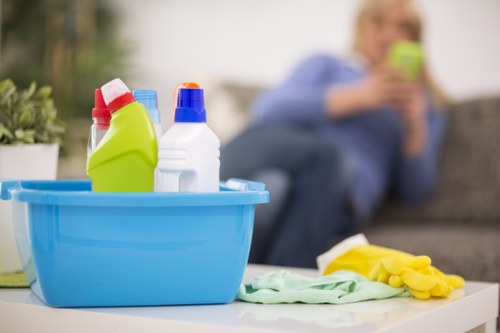
Shared spaces can become hotspots for germs and allergens if they are not cleaned properly. Door handles, buttons, railings, shared tables, and floor surfaces all come into contact with many people throughout the day. Because of this, communal area cleaning supports better hygiene and reduces the risk of cross-contamination.
Dust, pollen, and other particles can also accumulate in communal areas, especially in carpeted corridors or poorly ventilated spaces. Regular vacuuming, dusting, and surface sanitising help reduce these irritants, which is especially valuable for people with allergies or respiratory sensitivities.
Another major benefit is odour control. Shared bins, food areas, and toilets can develop unpleasant smells quickly if they are not cleaned and deodorised correctly. A well-planned communal area cleaning routine keeps these spaces fresh and pleasant to use, even during busy periods.
Health-focused cleaning tasks often include:
- Disinfecting high-touch points
- Cleaning and sanitising washroom areas
- Vacuuming carpets and mats
- Mopping hard floors with suitable products
- Removing waste and replacing liners
- Cleaning vents, corners, and dust-prone areas
When these tasks are completed properly, the building becomes a much healthier place to live or work. That is why communal area cleaning is about much more than appearance; it is also a practical health measure.
Professional Standards and Attention to Detail

Effective communal area cleaning requires more than simply wiping visible dirt. It takes observation, consistency, and an eye for detail. A professional cleaner looks beyond the obvious and notices what needs attention before it becomes a bigger problem.
This may include removing scuff marks from walls, cleaning skirting boards, polishing reflective surfaces, wiping light switches, or ensuring corners are free from dust and cobwebs. These small details contribute to a polished final result and help the entire property feel better maintained.
Attention to detail is particularly important in buildings with high expectations, such as residential developments with visitors, corporate offices, healthcare-related facilities, or premium apartment complexes. In these settings, the quality of communal area cleaning often influences how the whole property is perceived.
Examples of detail-oriented cleaning work
- Polishing glass doors and mirrors
- Cleaning around lift buttons and door frames
- Removing marks from walls and skirting
- Checking stair edges and corners for debris
- Refreshing entrance mats and threshold areas
These tasks may seem small, but together they shape the overall standard of the building. That is why the best communal area cleaning services never rely on quick surface cleaning alone.
Another important part of professional communal area cleaning is using the right products and equipment. Different materials need different approaches. A tiled lobby, a carpeted hallway, and a stainless-steel lift panel all need specific cleaning methods to avoid damage and achieve the best finish.
For instance, harsh chemicals may damage delicate surfaces, while the wrong mop or vacuum setting can leave streaks or fail to remove embedded dirt. Trained cleaners know how to match the right tools to the right surfaces, which protects the building while improving results.
Using suitable cleaning products also matters for safety and air quality. In shared spaces, especially enclosed ones, cleaners should choose solutions that are effective without leaving strong lingering odours or unnecessary residue. That balance helps maintain both comfort and cleanliness.
Communal Area Cleaning for Residential Buildings
In residential settings, communal area cleaning is closely linked to resident satisfaction. People notice the entrance, hallways, stairwells, and shared facilities every time they enter or leave the building. If these areas are dirty or cluttered, the entire property can feel less welcoming.
Residents also expect a certain standard of cleanliness in the places they share with neighbours. Regular cleaning helps preserve harmony by reducing disputes about litter, spills, and common hygiene issues. It also helps create a sense of pride in the building, which can influence how people care for the space themselves.
Common residential tasks may include sweeping entrance paths, mopping lobbies, cleaning stair rails, dusting ledges, and emptying communal bins. In larger developments, cleaning may also extend to lifts, shared lounges, and internal windows. Each area contributes to the overall atmosphere of the building.
What residents appreciate most
- Fresh-smelling shared spaces
- Clean flooring and carpets
- Well-maintained lift interiors
- Clear glass and polished surfaces
- Reliable cleaning on a regular schedule
When these things are delivered consistently, communal area cleaning becomes one of the most noticeable services in the building. It improves daily life without drawing attention to itself.
Communal Area Cleaning for Offices and Commercial Properties
Commercial spaces also benefit greatly from structured communal area cleaning. In offices, shared break rooms, reception areas, corridors, and meeting spaces can quickly become untidy if they are not cleaned often. A clean environment helps staff stay focused and creates a better impression for clients and visitors.
In commercial properties, cleanliness is often tied to professionalism. A tidy lobby, clean washroom, and dust-free corridor suggest that the business values quality and organisation. This can be especially important in sectors where trust, detail, and presentation matter.
Office communal area cleaning usually includes high-touch disinfection, floor care, bin emptying, and maintaining shared kitchen spaces. It may also involve keeping glass doors streak-free, making sure reception areas look sharp, and cleaning up after peak usage periods.
Commercial benefits of regular cleaning
- Improves workplace appearance
- Supports employee wellbeing
- Reduces clutter and mess
- Helps make visitor spaces more professional
- Contributes to a safer and more organised environment
Whether the property is a small office or a large business complex, professional communal area cleaning helps maintain a consistent standard that reflects well on the organisation.
Many businesses also prefer cleaning services that can work outside peak hours. Early morning, evening, or weekend cleaning reduces disruption and allows staff to use the building without interference. That flexibility is one reason commercial communal area cleaning is such a practical investment.
Reliable scheduling, discreet service, and high standards all help ensure the building stays presentable every day. This is especially important when multiple teams share the same space and rely on it to function smoothly.
For facilities managers, having a dependable cleaning routine means one less operational worry. Instead of reacting to mess after it appears, they can trust that communal areas will remain in good condition through planned and consistent maintenance.
Choosing the Right Communal Area Cleaning Approach
There is no single formula that works for every property. The best communal area cleaning approach depends on how the space is used, how many people pass through it, and what kind of surfaces or fixtures are present. A good provider will assess the site and build a plan that reflects real needs rather than offering a generic solution.
Before arranging a service, it helps to consider factors such as traffic levels, frequency of use, building size, and any problem areas that require extra attention. This may include muddy entrances, carpeted staircases, narrow corridors, or shared facilities that need special care.
It is also useful to think about seasonal variation. Wet weather may lead to more dirt entering the building, while warmer months may bring more odours or increased usage of certain shared areas. A flexible cleaning plan can adapt to these changing conditions.
Questions worth considering
- Which areas get the most foot traffic?
- Are there surfaces that mark easily?
- Do any areas need more frequent sanitising?
- Should cleaning happen daily, weekly, or both?
- Are there safety concerns linked to floors or stairs?
Answering these questions helps create a cleaner, safer environment and ensures that communal area cleaning delivers lasting value.
It is also smart to look for cleaners who understand the importance of communication and reliability. A successful cleaning routine depends on punctual visits, consistent standards, and a willingness to adapt when building needs change. Even the best schedule can fall short if it is not executed properly.
Quality control matters too. Regular checks, clear task lists, and documented routines help make sure the work remains consistent over time. That consistency is what keeps communal spaces looking their best.
And because every property is different, the ideal cleaning plan should always be flexible enough to handle specific requests, changes in occupancy, and special requirements such as seasonal deep cleans or extra attention after building works.
Common Challenges in Communal Area Cleaning
Shared spaces present some unique challenges. High foot traffic means dirt returns quickly, and multiple users can make it difficult to keep things tidy all day. This is one reason why communal area cleaning often needs a more structured approach than private cleaning.
One challenge is the constant buildup of debris at entrances and stairways. Another is maintaining hygiene in high-touch areas that are used by many different people. Spillages, litter, and weather-related dirt can also appear without warning and require quick response.
Clutter is another common issue. In some residential buildings, items are left in hallways or shared corners, making it harder to clean effectively. In commercial spaces, misplaced furniture, boxes, or equipment can also create obstacles. A good cleaning service works around these issues while helping keep the property orderly.
Typical issues cleaners deal with
- Footprints and mud tracked indoors
- Finger marks on glass and walls
- Litter in entrances and corridors
- Dust on ledges and light fittings
- Odours from waste areas or bins
By tackling these challenges consistently, communal area cleaning prevents small problems from becoming major ones. It keeps the property visually appealing and easier to maintain in the long term.
The Long-Term Value of Regular Communal Area Cleaning
Regular cleaning does more than improve today’s appearance. Over time, it helps protect floors, fixtures, fittings, and surfaces from premature wear. Dirt left to build up can scratch surfaces, stain carpets, and make materials look older than they are. Good communal area cleaning supports preservation as well as presentation.
There is also value in the way it influences behaviour. When a shared space is clearly well cared for, people are more likely to respect it. They may be less inclined to litter, more likely to report issues, and more careful about how they use the area. That positive effect can help maintain standards across the entire building.
In property management, prevention is often cheaper than repair. Regular communal area cleaning reduces the need for costly restoration or emergency cleaning later on. It also helps create a stable routine that supports everyone who uses the building.
Long-term benefits include:
- Better presentation over time
- Reduced wear on flooring and surfaces
- Improved occupant satisfaction
- Fewer complaints about cleanliness
- Stronger overall property value
That makes communal area cleaning a practical decision as well as an aesthetic one. It is an essential part of building maintenance that pays off in multiple ways.
If you want your building to look better, feel fresher, and function more smoothly, communal area cleaning should be a priority. Shared spaces set the tone for the entire property, and consistent cleaning makes that tone more positive every day.
From residential blocks to business premises, the benefits are clear: healthier surroundings, improved appearance, safer walkways, and a more professional impression. A well-kept building reflects good management and creates a better experience for everyone inside it.
Book your service now and keep your shared spaces in top condition. If you are ready to improve standards and protect the image of your property, contact us today to arrange dependable communal area cleaning tailored to your needs.