Domestic Cleaning in Homes: A Practical Approach to a Cleaner, Healthier Living Space
Why Domestic Cleaning Matters for Every Household
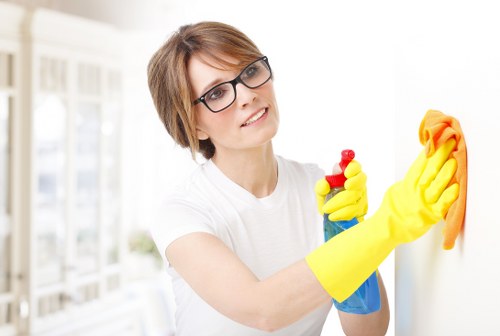
Domestic cleaning is one of the most important parts of maintaining a comfortable, healthy, and welcoming home. Whether you live alone, with family, or share a property with others, regular cleaning routines help keep living spaces fresh, hygienic, and more enjoyable to use every day. A well-kept home is not just about appearances; it also supports better air quality, reduces allergens, and helps prevent the buildup of dirt, bacteria, and clutter.
Many people think domestic cleaning is only about wiping surfaces or vacuuming floors, but it is much more than that. It includes everything from kitchen sanitation and bathroom care to dust management, deep cleaning, and organizing high-traffic areas. When done properly, domestic cleaning creates a healthier environment and can even improve mental well-being by reducing stress and making your space feel more manageable.
In today’s busy lifestyle, finding time for thorough home cleaning can be a challenge. That is why understanding effective domestic cleaning methods, routines, and priorities is so valuable. With the right approach, you can keep your home looking its best without feeling overwhelmed. Domestic cleaning becomes easier when it is broken into practical tasks and handled consistently.
What Domestic Cleaning Includes
Domestic cleaning covers a wide range of tasks designed to maintain every part of the home. Some activities are routine, while others are more detailed and done weekly, monthly, or seasonally. The exact level of cleaning needed depends on your household size, lifestyle, pets, children, and how often the home is used.
Typical domestic cleaning tasks may include:
- Dusting furniture, shelves, and décor items
- Vacuuming carpets and rugs
- Mopping hard floors
- Cleaning kitchens, sinks, and worktops
- Scrubbing toilets, baths, and showers
- Emptying bins and managing waste
- Wiping mirrors and glass surfaces
- Cleaning appliances such as ovens, fridges, and microwaves
Depending on the condition of the home, domestic cleaning may also involve deep cleaning corners, skirting boards, light switches, door handles, and areas that are often missed in everyday upkeep. A structured cleaning plan helps ensure that each area gets the attention it needs.
The Benefits of Regular Domestic Cleaning
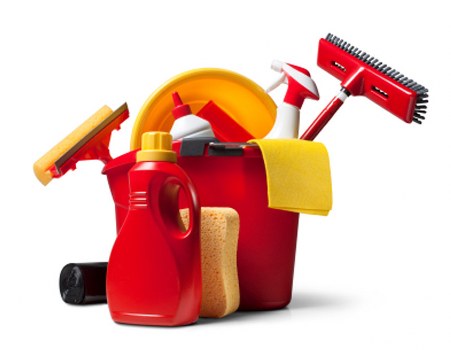
One of the biggest advantages of regular domestic cleaning is improved hygiene. Homes naturally collect dust, food particles, pet hair, and moisture, which can encourage bacteria and unpleasant odours if ignored. Consistent cleaning helps reduce these issues and creates a safer living environment for everyone in the household.
Another major benefit is the impact on health. Clean homes often have fewer allergens such as dust mites, mould spores, and pollen. For people with asthma, allergies, or sensitivities, domestic cleaning can make a real difference in day-to-day comfort. Keeping upholstery, carpets, and bedding clean also contributes to a fresher indoor atmosphere.
There is also a strong psychological benefit. A tidy, organized home can reduce feelings of stress and help people feel more in control. Many homeowners and tenants find that routine cleaning improves focus, supports better sleep, and makes their home feel more inviting. Domestic cleaning is not just a chore; it is a key part of maintaining quality of life.
How to Build an Effective Domestic Cleaning Routine
Creating a cleaning routine makes domestic cleaning easier to manage. Instead of trying to clean everything at once, it is better to divide tasks into daily, weekly, and monthly priorities. This approach keeps the home in good condition and prevents mess from building up.
A simple routine may look like this:
- Daily: Wash dishes, wipe counters, tidy rooms, and sweep high-use areas.
- Weekly: Vacuum, mop, clean bathrooms, change bedding, and dust surfaces.
- Monthly: Clean appliances, wash windows, wipe skirting boards, and organize storage spaces.
- Seasonally: Deep clean carpets, curtains, upholstery, and less-used areas.
The key is consistency. Small, regular tasks are often more effective than occasional large cleaning sessions. This is especially true in busy households where domestic cleaning must fit around work, school, and family responsibilities. By staying organized, cleaning becomes less stressful and more efficient.
Domestic Cleaning in Kitchens: Hygiene Starts Here
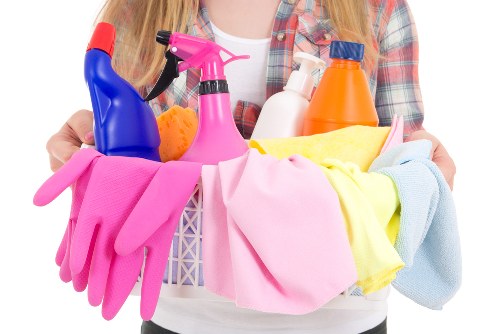
The kitchen is one of the most important areas to maintain during domestic cleaning because it is a space where food is prepared, stored, and consumed. Grease, spills, crumbs, and moisture can quickly build up, making regular cleaning essential for hygiene and safety. A clean kitchen also helps preserve appliances and keeps the room pleasant to use.
Kitchen domestic cleaning should focus on worktops, sinks, hobs, cupboard fronts, and splashback areas. These surfaces collect grease and food residue, so they need frequent attention. Cleaning the inside of the microwave, toaster crumb trays, fridge shelves, and oven racks should also be included in a regular routine.
For better results, use the right products for each surface. Non-abrasive cleaners work well on delicate finishes, while stronger degreasers may be needed for built-up grime. Domestic cleaning in kitchens is more effective when completed after cooking sessions and paired with good habits like wiping spills immediately and emptying bins daily.
Kitchen Cleaning Priorities
- Sanitize sinks and taps
- Disinfect worktops and handles
- Remove grease from hobs and extractor fans
- Clean food storage areas
- Keep floors free of crumbs and spills
Bathroom Domestic Cleaning for a Fresher Home
Bathrooms need careful attention because they are exposed to moisture, soap residue, and frequent use. Without regular domestic cleaning, bathrooms can quickly develop limescale, mould, odours, and staining. A clean bathroom feels fresher, looks more polished, and is far more pleasant for daily use.
Important bathroom tasks include scrubbing the toilet, cleaning the shower and bath, wiping mirrors, polishing taps, and disinfecting handles and switches. Sinks should be cleaned regularly to prevent toothpaste build-up and grime around the drain. Tile grout and sealant lines may also need deeper treatment from time to time.
Good ventilation helps support domestic cleaning in bathrooms by reducing dampness and limiting mould growth. Keeping windows open when possible, using extractor fans, and drying surfaces after use can all help maintain cleanliness for longer. Domestic cleaning in bathrooms should always prioritize hygiene, because this room has the highest risk of germs.
Living Room and Bedroom Cleaning Tips
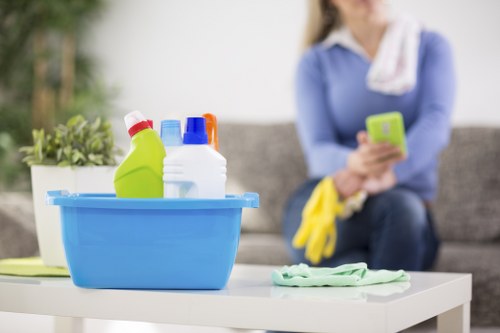
While kitchens and bathrooms often need the most intense cleaning, living rooms and bedrooms are just as important. These are the spaces where people relax, sleep, and spend a lot of time, so they should feel comfortable and orderly. Dust, clutter, and hidden debris can build up here easily if domestic cleaning is inconsistent.
In the living room, focus on dusting furniture, vacuuming sofas, cleaning under cushions, and keeping floors free from dirt. Electronics, remote controls, and decorative items should be wiped down regularly. Curtains, blinds, and soft furnishings may also need periodic cleaning to prevent dust buildup.
Bedrooms benefit from regular bedding changes, mattress care, and surface dusting. Vacuuming under the bed, organizing wardrobes, and keeping bedside tables clear all contribute to a cleaner sleeping environment. A neat bedroom is not only visually calming but also supports better rest. Domestic cleaning in these spaces can have a noticeable impact on comfort and relaxation.
Helpful Bedroom Habits
- Make the bed daily
- Change sheets weekly or as needed
- Keep laundry contained
- Dust shelves and window ledges
- Store items in designated places
Deep Domestic Cleaning: When and Why It Matters
Deep domestic cleaning goes beyond routine upkeep. It targets hidden dirt, neglected areas, and buildup that may not be visible during normal cleaning sessions. This type of cleaning is especially valuable before special events, after illness, during seasonal changes, or when preparing a property for new occupants.
Deep cleaning often includes washing walls, scrubbing baseboards, cleaning behind furniture and appliances, refreshing carpets, and disinfecting overlooked surfaces. It may also involve decluttering storage spaces, cleaning vents, and treating stubborn stains. This level of care can restore the home’s overall appearance and make everyday cleaning easier afterward.
Many households schedule deep domestic cleaning a few times a year. Others prefer to tackle one area each month to spread out the workload. Either way, the result is a home that feels truly refreshed. If you want to keep your house in top condition, deep cleaning is an essential part of domestic cleaning rather than an optional extra.
Domestic Cleaning Products and Tools That Make a Difference
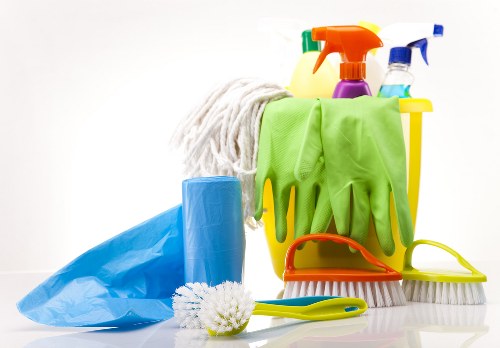
Choosing the right tools can make domestic cleaning much faster and more effective. Basic items like microfiber cloths, sponges, mops, vacuums, brushes, and spray bottles are useful in almost every room. Microfiber is especially effective for dusting because it traps particles instead of spreading them around.
When selecting cleaning products, it is important to consider the surfaces in your home. Multi-surface cleaners are convenient for everyday use, but some areas may need specialized products such as glass cleaner, degreaser, disinfectant, limescale remover, or wood-safe polish. Using the wrong cleaner can damage surfaces, so always check labels carefully.
Eco-friendly options are becoming increasingly popular in domestic cleaning. Many households prefer plant-based or low-toxicity products because they are gentler on indoor air and can be safer around children and pets. Domestic cleaning can be both effective and environmentally conscious when chosen products are used correctly and in moderation.
Essential Cleaning Tools
- Microfiber cloths
- Vacuum cleaner with attachments
- Bucket and mop
- Scrubbing brushes
- Protective gloves
Saving Time with Smart Domestic Cleaning Strategies
Many people assume domestic cleaning has to be time-consuming, but smart strategies can significantly reduce the effort involved. One of the best methods is to clean as you go. This means wiping spills immediately, putting items away after use, and spending a few minutes tidying daily. Small actions prevent larger messes from forming.
Another effective strategy is to clean room by room. Focusing on one area at a time can make the task feel less overwhelming and help you see clear progress. You can also set timers to stay focused, which is useful for busy households where domestic cleaning needs to fit into short periods of free time.
Decluttering is another powerful time-saver. When surfaces are clear and items are stored logically, dusting and wiping become much quicker. The less clutter there is, the easier domestic cleaning becomes overall. This is why organizing and cleaning often go hand in hand.
Common Domestic Cleaning Mistakes to Avoid
Even with good intentions, it is easy to make mistakes during domestic cleaning. One common issue is using too much product, which can leave residue behind and make surfaces sticky or dull. Another mistake is cleaning in the wrong order, such as vacuuming before dusting, which can cause debris to settle again on freshly cleaned floors.
Skipping high-touch areas is also a problem. Light switches, handles, remote controls, and bannisters are frequently touched but often forgotten. These should be included in routine domestic cleaning to maintain a more hygienic home. Similarly, neglecting hidden areas like behind furniture or under appliances can allow dirt to accumulate unnoticed.
Using worn-out tools can reduce cleaning quality as well. Dirty mop heads, clogged vacuum filters, and old cloths may spread dirt rather than remove it. Replacing tools when needed is part of effective domestic cleaning. Paying attention to these details improves results and saves time in the long run.
Domestic Cleaning for Families, Pets, and Busy Homes
Households with children, pets, or multiple people usually require more frequent cleaning. Toys, footwear, pet hair, crumbs, and extra laundry can quickly make a home feel untidy. In these environments, domestic cleaning should be flexible and practical rather than overly complicated.
Families may find it helpful to assign age-appropriate tasks to children, such as tidying toys, wiping low surfaces, or helping set cleaning schedules. Pet owners should pay special attention to fur control, bedding, floors, and food areas. Regular vacuuming and washing soft furnishings can make a big difference in keeping the home fresh.
Busy households often benefit from short cleaning blocks throughout the week instead of one long session. This can include a 10-minute evening tidy-up, a weekend bathroom clean, and a midweek vacuum. Domestic cleaning works best when it matches the household’s real routines rather than an unrealistic ideal.
Seasonal Domestic Cleaning and Home Maintenance
Seasonal changes are a great time to review your cleaning priorities. In spring, many people focus on freshening up interiors, washing fabrics, and removing winter dust. Summer may call for more attention to windows, entryways, and outdoor debris. Autumn and winter often require extra care around damp areas, shoes, and heating vents.
Seasonal domestic cleaning is also a good opportunity to check for maintenance issues. Stains, mould, leaks, damaged sealant, and worn carpets are easier to address when spotted early. Cleaning and maintenance work together to keep the home in good condition and prevent more serious problems later.
Building seasonal tasks into your domestic cleaning plan helps keep the home feeling renewed throughout the year. It also ensures that less visible areas receive attention before they become major problems. This proactive approach supports both cleanliness and longevity.
Why Professional Domestic Cleaning Support Can Be Worth It
Although many people handle domestic cleaning themselves, professional support can be useful in certain situations. Busy schedules, large homes, physical limitations, or special events may make it difficult to maintain the level of cleanliness desired. Professional domestic cleaning services can step in to handle routine upkeep or deeper tasks.
A professional cleaner typically works efficiently and brings experience, tools, and methods that improve the outcome. This can be especially helpful for deep cleaning kitchens and bathrooms, preparing a home for guests, or restoring order after a particularly busy period. For some households, hiring support occasionally is enough to keep domestic cleaning under control.
If you are considering outsourcing some tasks, think about which parts of domestic cleaning take the most time or cause the most stress. Book your service now if you want to reclaim time, reduce pressure, and enjoy a cleaner home without the burden of doing everything yourself.
When Professional Help Makes Sense
- Before or after moving house
- After renovations or decorating work
- During periods of illness or recovery
- For occasional deep cleaning
- When regular upkeep feels unmanageable
Building a Cleaner Future Through Better Domestic Cleaning
Domestic cleaning is more than a household task; it is an ongoing investment in comfort, hygiene, and peace of mind. By staying consistent, using the right products, and focusing on the areas that matter most, any home can feel cleaner and more organized. The goal is not perfection but a practical system that supports everyday living.
Over time, a strong domestic cleaning routine creates better habits, reduces stress, and makes your home easier to maintain. It also helps protect surfaces, fixtures, and fabrics from unnecessary wear. A little attention each day goes a long way toward preserving the quality of the home.
If your current cleaning routine feels overwhelming, start small and build from there. Focus on one room, one habit, or one weekly task. Progress matters more than perfection. And when you are ready for expert support, Contact us today to explore the best domestic cleaning solution for your home.
Domestic cleaning is a simple idea with a powerful impact. When done well, it transforms a house into a healthier, calmer, and more welcoming place to live.