Office Cleaning in Modern Workspaces: Creating Healthier, More Productive Places to Work
Office cleaning is more than a routine chore. It is a core part of maintaining a professional environment, supporting employee well-being, and making a strong impression on clients and visitors. In today’s fast-paced business world, clean workplaces help teams stay focused, reduce distractions, and create a sense of order that supports better performance. Whether you manage a small startup, a growing team, or a large corporate space, office cleaning plays a vital role in daily operations.
For many businesses, office cleaning also helps protect valuable assets. Desks, electronics, shared meeting areas, kitchens, and restrooms can quickly become hotspots for dust, germs, and clutter. Regular cleaning protects these spaces, extends the life of office furniture and equipment, and contributes to a healthier indoor environment. A well-maintained office is not just visually appealing; it is also safer, more efficient, and easier to manage.
As more organizations focus on employee experience and workplace hygiene, office cleaning services have become a strategic investment rather than a simple expense. From daily janitorial tasks to deep cleaning schedules, the right cleaning plan supports professionalism and productivity. Office cleaning in any workplace should be consistent, thorough, and tailored to the unique needs of the business.
Why Office Cleaning Matters for Every Business

The importance of office cleaning goes far beyond appearances. A clean office helps create a positive first impression for clients, partners, and employees. When someone enters a workspace that is tidy, fresh, and organized, they immediately associate that environment with professionalism and care. This subtle but powerful effect can influence trust and confidence in your brand.
Office cleaning also affects health. Dust, allergens, bacteria, and viruses can accumulate quickly in shared workspaces. Regular cleaning of high-touch surfaces such as door handles, keyboards, elevator buttons, and conference tables can reduce the spread of illness. That means fewer sick days, better attendance, and a healthier team overall. In practical terms, office cleaning supports both workplace wellness and business continuity.
Another major benefit is productivity. Employees work better in spaces that feel organized and hygienic. Cluttered desks, dirty floors, and overflowing trash bins can create mental distractions and lower morale. By contrast, a clean workspace encourages focus, comfort, and efficiency. If your goal is to improve the daily experience of your team, office cleaning should be part of the plan.
Common Office Cleaning Tasks That Keep Workspaces Spotless

Office cleaning involves a wide range of tasks, and the exact schedule often depends on the size of the workplace and the nature of the business. A well-structured cleaning routine typically includes both daily maintenance and periodic deep cleaning. This combination helps keep visible surfaces clean while also addressing areas that are easy to overlook.
Some of the most common office cleaning tasks include:
- Dusting desks, shelves, blinds, and office furniture
- Vacuuming carpets and rugs
- Mopping hard floors
- Emptying trash and recycling bins
- Cleaning and sanitizing restrooms
- Wiping down shared surfaces and high-touch points
- Cleaning kitchen and break room areas
- Polishing glass, mirrors, and interior windows
Depending on the office, additional tasks may include upholstery cleaning, computer dust removal, floor waxing, and deep sanitation of communal areas. The best office cleaning plans are flexible, detailed, and matched to the way the business actually operates.
How Office Cleaning Supports Health and Safety

Health and safety are central concerns in every workplace, and office cleaning is one of the most effective ways to address them. A clean office helps reduce allergens like dust and pollen, which can affect employees with respiratory sensitivities. It also helps control germs in shared spaces, especially in high-traffic areas where people gather throughout the day.
Regular office cleaning can reduce slippery floors, cluttered walkways, and the buildup of debris that might lead to accidents. Clean restrooms and kitchen spaces are also essential for hygiene and comfort. When these areas are neglected, they can become sources of unpleasant odors, contamination, and negative employee experiences.
Professional office cleaning is an important part of workplace safety planning. It complements other health measures by keeping the environment sanitary, reducing hazards, and encouraging responsible habits throughout the office. In environments with frequent visitors or shared desks, office cleaning becomes even more critical because many hands touch the same surfaces every day.
Choosing the Right Office Cleaning Approach
Daily, Weekly, and Deep Cleaning Needs

Every office has different cleaning needs, and the best approach depends on occupancy, layout, foot traffic, and business type. Some offices need daily cleaning because they host large teams or receive constant visitors. Others may only need cleaning several times per week, along with periodic deep cleaning for carpets, upholstery, and hard-to-reach areas.
A smart office cleaning plan usually includes three levels of service:
- Daily cleaning: Trash removal, restroom cleaning, surface wiping, floor maintenance, and kitchen upkeep.
- Weekly cleaning: Dusting, detailed vacuuming, glass cleaning, disinfecting shared spaces, and sanitizing equipment areas.
- Deep cleaning: Intensive cleaning of carpets, upholstery, vents, corners, and areas that collect hidden dirt over time.
This layered approach helps businesses maintain a polished look without relying on occasional cleanup efforts. For offices that want long-term cleanliness, consistency is more effective than occasional intensive work. Office cleaning works best when it is proactive rather than reactive.
Benefits of Professional Office Cleaning Services
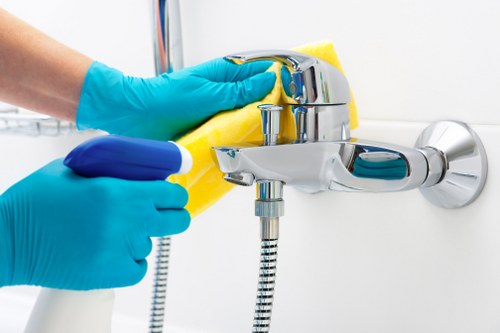
While some workplaces assign cleaning responsibilities internally, professional office cleaning services bring experience, efficiency, and specialized tools. Trained cleaners know how to handle different flooring materials, sanitize surfaces correctly, and use products that are safe for office environments. This expertise often leads to better results and fewer maintenance issues.
Professional office cleaning also saves time. Employees should focus on their jobs, not spend valuable work hours managing cleaning duties. Outsourcing cleaning creates a smoother workflow and helps maintain a more consistent standard. This is especially helpful for busy offices where appearances and hygiene need to stay at a high level every day.
Another advantage is customization. A professional service can tailor office cleaning to match your hours, industry, and preferences. For example, some businesses need early-morning service before staff arrive, while others prefer evening cleaning after the office closes. Flexible office cleaning solutions make it easier to protect productivity without disrupting normal operations.
What Makes an Office Cleaning Plan Effective?
An effective office cleaning plan is organized, detailed, and easy to follow. It should identify which areas require attention, how often each task should happen, and who is responsible for carrying it out. Without a clear plan, even a clean office can slowly become disorganized and unhygienic over time.
Good office cleaning plans usually begin with a walkthrough or assessment. This helps determine the size of the space, the number of employees, the materials used in the office, and the areas that need the most care. A reception area, for example, may require more frequent attention than a storage room, while restrooms and break rooms often need daily sanitizing.
It is also useful to create cleaning priorities. High-traffic and high-touch areas should receive the most frequent attention. Less-used spaces can be cleaned on a different schedule, which improves efficiency without sacrificing standards. Office cleaning becomes more effective when it is based on real usage patterns rather than guesswork.
Key Elements of a Strong Cleaning Routine
To make office cleaning reliable, a routine should include the following:
- Clear cleaning schedules for daily, weekly, and monthly tasks
- Sanitizing protocols for high-touch surfaces
- Proper waste disposal and recycling management
- Floor care based on surface type
- Restroom and kitchen hygiene standards
- Regular attention to communal equipment and shared desks
- Periodic deep cleaning of carpets, upholstery, and vents
When these elements work together, office cleaning becomes predictable and manageable. The result is a workplace that feels cleaner, looks better, and functions more smoothly.
Office Cleaning and Employee Productivity
There is a direct connection between office cleaning and productivity. Employees are more likely to stay focused when their environment is neat, fresh, and organized. Clean desks, uncluttered floors, and hygienic common areas reduce unnecessary stress and make it easier for people to concentrate on their work.
Office cleaning can also improve morale. People generally feel better in a space that is cared for and respected. When employees notice that management prioritizes cleanliness, they often feel the workplace culture is stronger and more professional. This can support retention, engagement, and day-to-day satisfaction.
Additionally, a well-cleaned office tends to support smoother collaboration. Meetings happen more comfortably in clean conference rooms, shared kitchens are easier to use, and visitors feel more welcome. In many ways, office cleaning helps create the conditions for better teamwork.
Eco-Friendly Office Cleaning Practices
Many businesses are now choosing greener office cleaning methods to reduce environmental impact. Eco-friendly cleaning focuses on using safer products, minimizing waste, and conserving resources where possible. This approach is appealing to companies that want to support sustainability without compromising cleanliness.
Green office cleaning may include:
- Biodegradable or low-toxicity cleaning products
- Reusable microfiber cloths and mop systems
- Reduced water usage
- Proper recycling practices
- HEPA-filter vacuums for improved air quality
- Concentrated products that reduce packaging waste
Eco-friendly office cleaning can be especially valuable in workplaces with sensitive staff, such as those affected by strong chemical odors or allergies. It also sends a positive message about company values. Clean offices and responsible cleaning practices can work together to support both people and the planet.
Why Green Cleaning Appeals to Modern Businesses
Companies increasingly want office cleaning solutions that reflect their corporate responsibility goals. Sustainable practices can align with brand identity while improving indoor comfort. Cleaner air, fewer harsh odors, and lower environmental impact make green cleaning a practical choice for many organizations.
Office Cleaning for Different Types of Workplaces
Not all offices are the same, so office cleaning should not follow a one-size-fits-all model. A law office, creative agency, medical administrative suite, coworking space, and corporate headquarters each have different needs. The layout, number of employees, and level of customer traffic all influence the best cleaning strategy.
For example, an open-plan office may require frequent attention to shared desks, phone booths, and meeting areas. A smaller office with private rooms may need more detailed dusting and floor care. A reception-heavy workplace needs spotless front-of-house presentation, while an office with a pantry or shared kitchen needs regular sanitation and waste removal.
Understanding these differences allows businesses to design office cleaning services that truly fit. Customized office cleaning delivers better results than generic maintenance. It reduces waste, improves efficiency, and ensures that the areas that matter most get the right level of care.
How to Maintain Cleanliness Between Professional Visits
Even with professional office cleaning, daily habits inside the workplace matter. Small actions taken by staff can help maintain cleanliness and reduce the speed at which dirt and clutter build up. These habits support the overall cleaning plan and keep the office presentable between service visits.
Useful daily habits include:
- Clearing personal work areas at the end of the day
- Wiping down desks and shared equipment after use
- Storing food properly in shared refrigerators
- Throwing away trash instead of leaving it on desks
- Reporting spills or maintenance issues quickly
- Keeping walkways and entrances free of obstacles
These small actions strengthen the impact of office cleaning and help maintain a professional atmosphere. They also reduce the pressure on cleaning staff, allowing them to focus on more detailed and specialized tasks. Clean workplaces are often the result of good systems, not just good service.
Office Cleaning as Part of a Strong Company Image
Company image is shaped by many factors, and cleanliness is one of the most visible. When visitors walk into a spotless reception area or a fresh conference room, they sense attention to detail. That impression can influence how they view your organization’s reliability, standards, and professionalism.
Office cleaning also affects internal brand culture. Employees often take cues from their environment. A tidy, well-maintained space communicates that the company values order, respect, and quality. That message can strengthen commitment and reinforce good workplace habits across the team.
For businesses that host clients, candidates, or partners, office cleaning can play a direct role in outcomes. It contributes to comfortable interviews, successful meetings, and more confident presentations. A clean office does not just look better; it supports business reputation.
Small Details That Make a Big Difference
Many people notice the smallest details first. Clean glass doors, polished counters, fresh restrooms, and neatly arranged common spaces all leave a lasting impression. These details may seem minor, but together they create a polished and trustworthy environment.
Frequently Overlooked Areas in Office Cleaning
Some of the most overlooked areas in office cleaning include behind furniture, under desks, air vents, baseboards, light switches, and shared-touch items like printers and coffee machines. Paying attention to these spots helps keep the workplace truly clean, not just visually tidy.
Final Thoughts on Maintaining a Cleaner Workplace
Office cleaning should be viewed as an ongoing investment in health, productivity, and brand value. It supports employee comfort, improves workplace safety, and helps businesses present themselves professionally at all times. Whether you are managing a small office or a large commercial space, a thoughtful cleaning strategy can make a noticeable difference every day.
If your workplace needs a better approach to cleanliness, now is the right time to act. Build a schedule, review your priorities, and choose solutions that suit your environment. Contact us today to discuss your office cleaning needs, or book your service now to keep your workspace fresh, organized, and ready for success.